
The Morning That Taught Me to Listen
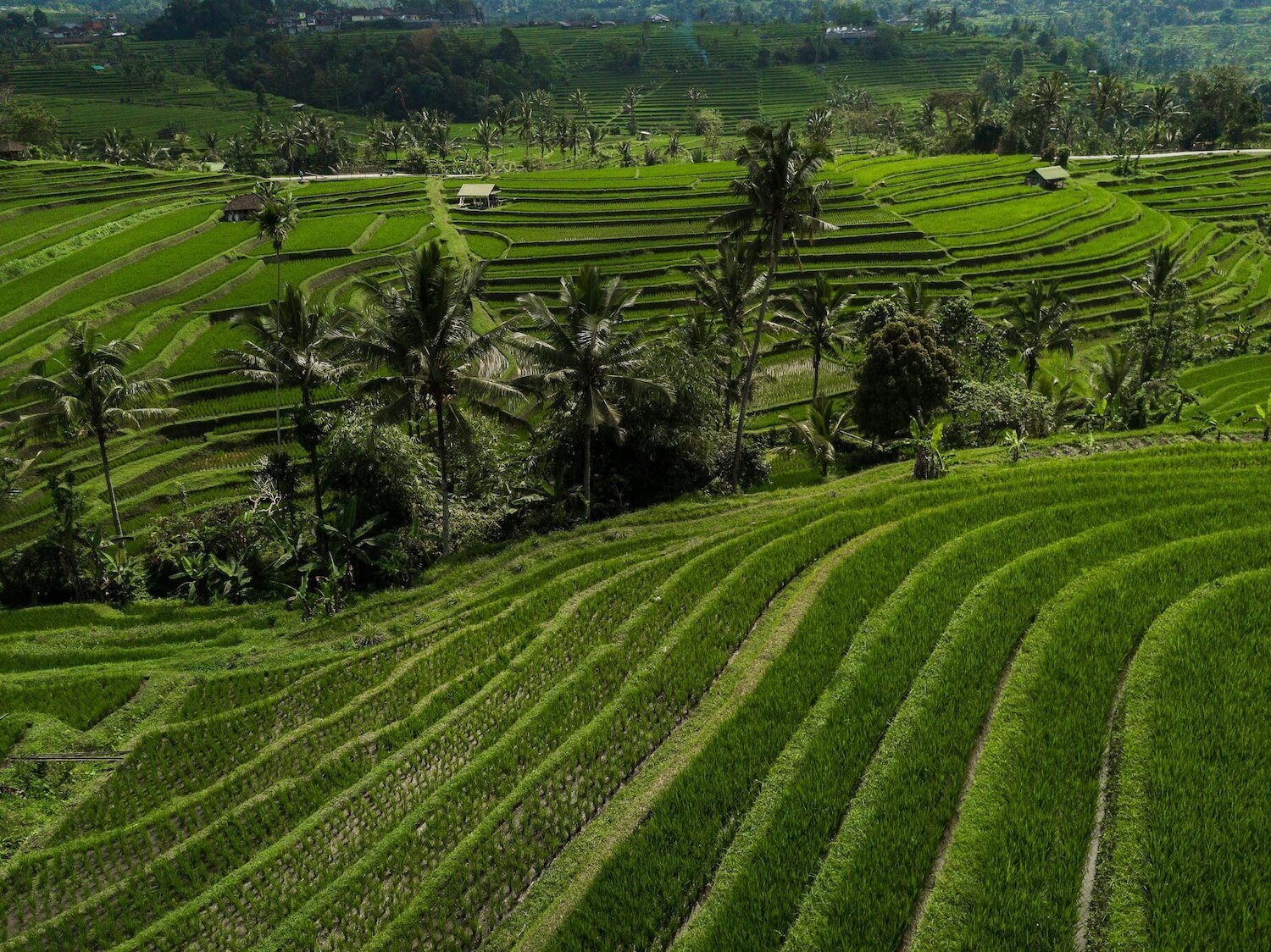
The first time I heard Bali’s heartbeat, I was kneeling in a sunlit rice field near Ubud, my fingers tracing the cool, muddy edges of a terraced pond. A farmer named Wayan pressed a handful of rice seedlings into my palm, his laughter mingling with the distant hum of gamelan music. “Plant with intention,” he said. “Every grain holds a story.” That moment, grime under my nails and sweat on my brow, became my awakening. In 2025, Bali, Indonesia is not just a destination—it’s an invitation to travel deeper, slower, and with purpose. At Viva-Travel.com, we guide travelers to experiences that don’t just showcase Bali’s beauty, but honor it.
Silent Valleys and Sacred Springs: Bali’s Sustainable Sanctuaries
Imagine waking in Sidemen, a village untouched by mass tourism, where emerald rice terraces cascade down volcanic slopes like steps to the gods. Here, dawn breaks with the soft clang of temple bells and the rustle of farmers tending fields their ancestors nourished centuries ago. This is Bali’s quiet side—a sanctuary for travelers seeking sustainability over spectacle.
In 2025, eco-conscious stays like Bambu Indah or Sandat Glamping Tents blend luxury with low impact, using reclaimed materials and solar energy. For solo travelers, family-run homestays in Munduk offer guided hikes through mist-laced jungles to hidden waterfalls, where donations fund village schools. Book through Viva-Travel.com to find properties certified by Bali’s Green School Initiative, ensuring your stay supports reforestation and clean water projects. Pack light, leave lighter.
Beyond Offerings: Journeys That Weave into Bali’s Soul
At a temple ceremony in East Bali, I met a priestess named Ni Luh who taught me to weave canang sari—intricate palm-leaf offerings filled with flowers and prayers. “Tourists take photos,” she said, “but travelers leave something of themselves here.” Her words reshaped how I saw Bali: not as a backdrop, but as a living, breathing culture.
In 2025, travelers increasingly seek regenerative experiences that give back. In Pemuteran, join coral reef restoration dives led by local biologists, where every planted fragment revives marine life. In Penglipuran Village, learn bamboo crafting from artisans preserving ancient techniques—proceeds fund youth apprenticeships. Through Viva-Travel.com, you’ll discover opportunities to help harvest organic cacao in Sidemen or co-create murals with Balinese street artists, turning fleeting visits into lasting legacies.
The Rise of Slow Seasons: Bali’s Rhythm Reimagined
I once spent a week in Amed, a coastal hamlet where days dripped like honey. Mornings began with snorkeling above technicolor coral gardens; afternoons unfolded in warungs (eateries) where grilled mahi-mahi and coconut lemongrass soup fueled conversations with fishermen. No Wi-Fi, no rush—just the salt-kissed breeze and the certainty that time was a gift, not a gauge.
Post-pandemic Bali has embraced slow travel as a philosophy. Digital detox retreats in Canggu offer sunrise yoga on black-sand beaches, while Ubud’s writers’ sanctuaries provide hushed spaces to journal beneath frangipani blooms. For women traveling solo, Viva-Travel.com curates Nyepi (Silent Day) experiences—a 24-hour pause where the island shuts off lights and noise, inviting introspection under star-cloaked skies. Stay longer, dive deeper.
2025’s Bali: Healing the Island, One Journey at a Time
Bali’s recovery from overtourism has birthed a new ethos: Tri Hita Karana—harmony with people, nature, and spirit. Farmers now rotate visitor access to sacred sites like Tegalalang Rice Terraces to prevent erosion. In Ubud, “plastic-free markets” reward travelers who bring reusable bags with free tastings of turmeric tea or snake fruit.
Your visit matters. Book through Viva-Travel.com to support community-based tourism, like stays in Tengkudak Village, where fees fund mangrove conservation. For families, ethical elephant encounters at Mason Elephant Park prioritize rescue over rides. Even dining becomes activism: Choose farm-to-table cafes like Warung Bambu in Pererenan, where dishes spotlight organic saffron and moringa grown by women’s collectives.
Your Bali Awaits
In 2025, Bali, Indonesia isn’t just a place—it’s a feeling. The thrill of cresting Mount Batur at sunrise, the calm of a healer’s touch in Tirta Empul’s holy springs, the sweetness of a grandmother’s pandan cake shared on a Jembrana porch. These moments don’t just change itineraries; they change lives.
Let your journey begin where intention meets earth. At Viva-Travel.com, we craft trips that honor Bali’s past, nurture its present, and safeguard its future. Who will you become here?
FAQs: Bali, Indonesia in 2025
When’s the best time to visit Bali?
April-June and September-October offer sunny days and fewer crowds. Avoid July-August peak season for quieter temples and lower rates.
Is Bali safe for solo female travelers?
Yes! Stick to well-reviewed homestays and join group tours like Viva-Travel.com’s Women’s Yoga & Culture Retreat in Ubud for added camaraderie.
How can I respect Balinese customs?
Dress modestly at temples, avoid pointing feet at sacred objects, and learn basic phrases like “Suksma” (thank you).
Are there eco-friendly transport options?
Rent e-bikes or use GrabGreen electric cars. For intercity travel, Viva-Travel.com partners with carbon-neutral shuttle services.
Travel isn’t about escaping life—it’s about letting life reshape you. In Bali, Indonesia, every sunrise is a prayer, every smile a bridge. Let yours begin at Viva-Travel.com.
This article may contain affiliate links